Exhibitions
Upcoming exhibitions in 2026
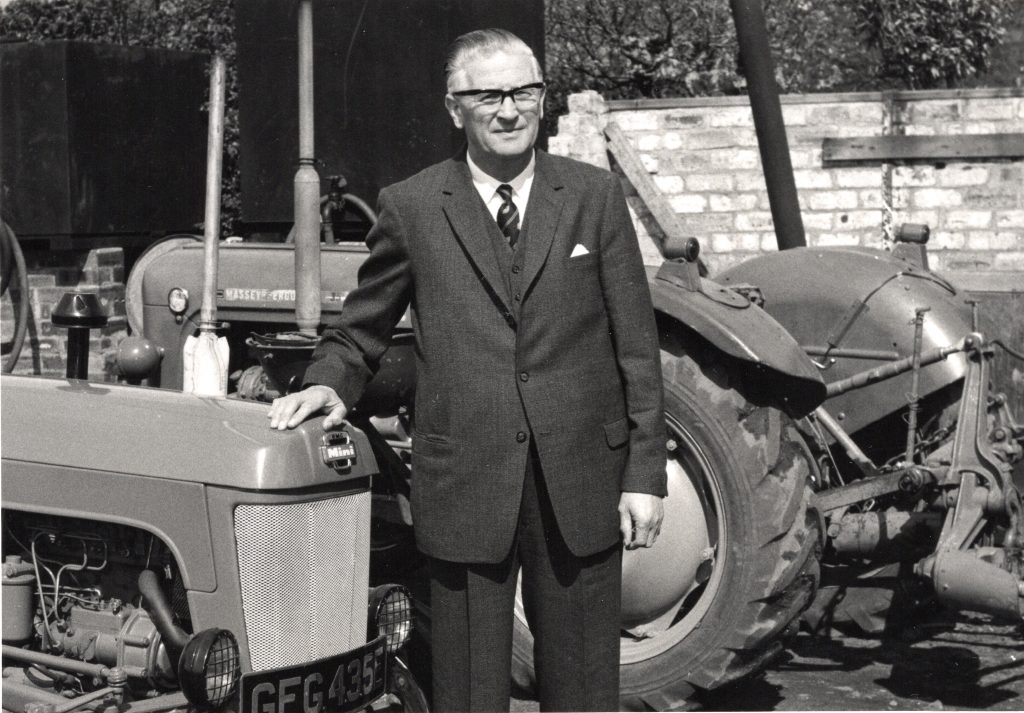
Elmwood College, Cupar: the early years
Elmwood College is now part of SRUC (Scotland’s Rural College). The college was created in Cupar due to the initiative of David Bett, a pioneer in agricultural education who commenced practical courses for young farmers in the late 1940’s. From small beginnings, Fife Education Committee recognised the value of the work being done and acquired sites that allowed the college to thrive. A modern college building was approved and opened in 1972 offering a wide range of courses and experience.
The exhibition demonstrates the pioneering work that took place, stories of the people involved, community involvement and the impact on those educated there.
The scope of college activities has changed significantly in recent years, but it is hoped that the exhibition will testify to the value of the work that took place there.
Four Paintings, a Scandal and an Angel
Cupar Museum and Heritage Centre are delighted to be participating in the celebration of the Royal Scottish Academy’s 200th Anniversary this year.
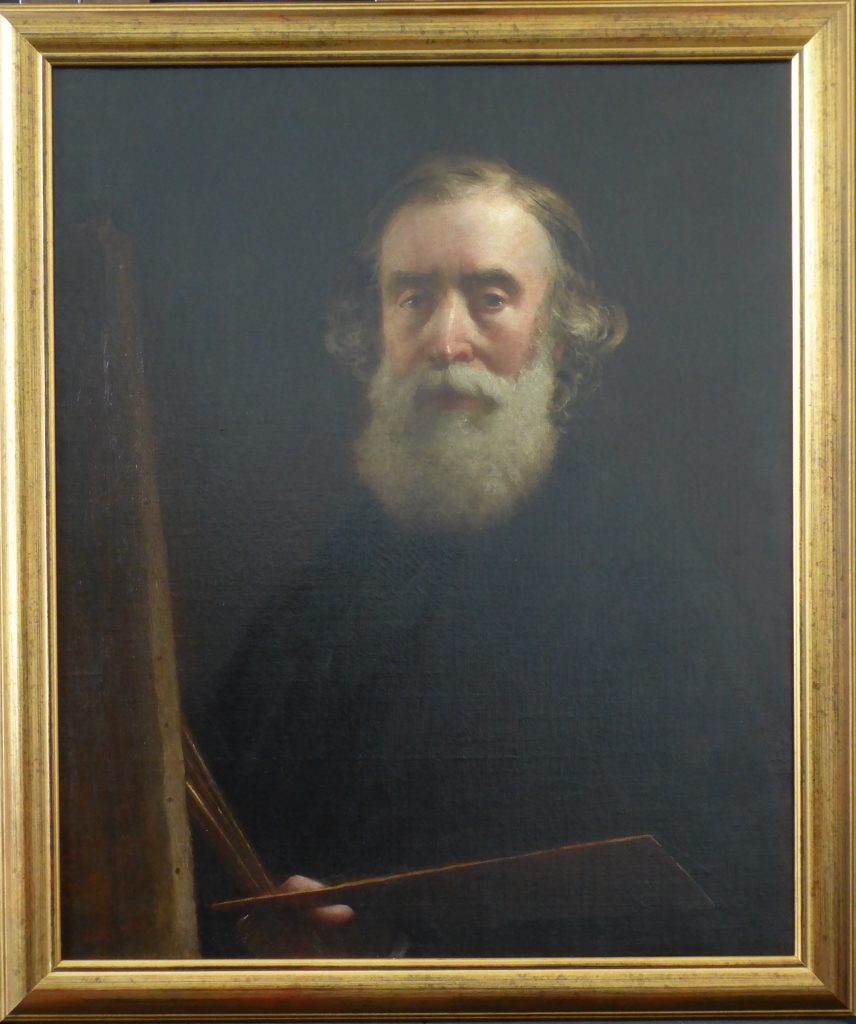
Our exhibition features Cupar born Charles Lees, RSA, including a self-portrait and a further portrait by Robert Scott Lauder. Lees is widely regarded for his depictions of sporting scenes in the mid-nineteenth century, the most famous being the Golfers at St Andrews. More may be discovered concerning the scandal that is referred to in the title of this exhibit by visiting the museum.
The Angel is the highly regarded Cupar war memorial which stands at a short distance from the museum. This was the work of the sculptor Henry Snell Gamley RSA who specialised in war memorials.
Cupar’s Sugar Factory
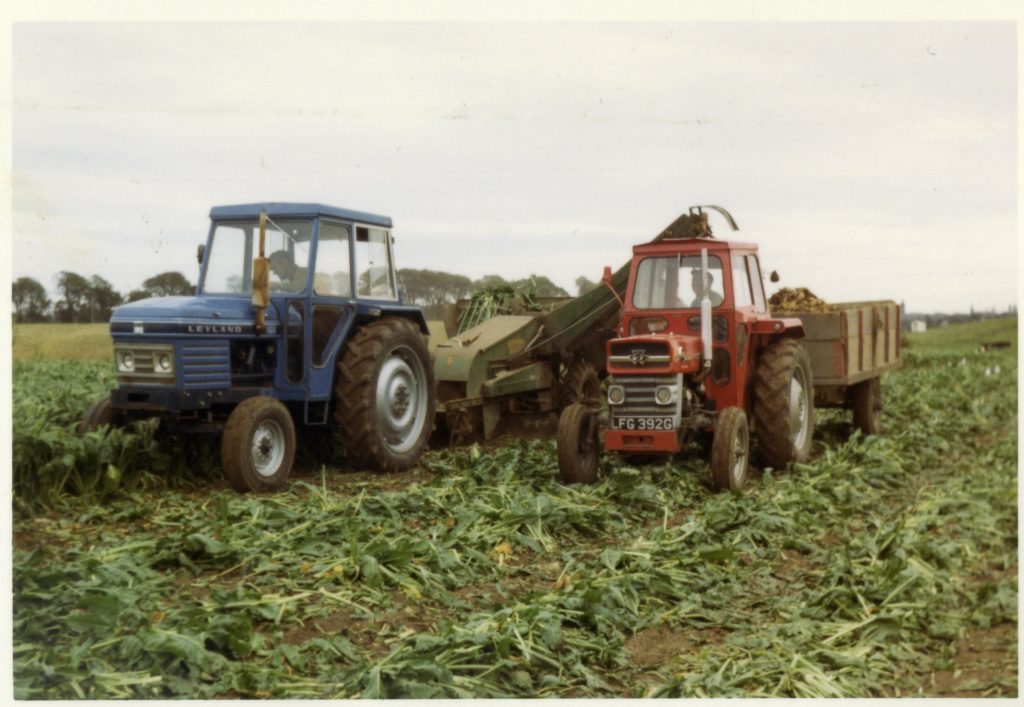
One hundred years ago, in 1926, Cupar became a production centre for sugar sourced from sugar beet. The factory, founded by the Anglo-Scottish Sugar Beet Corporation was Scotland’s only sugar beet factory. Located at Prestonhall near the town, it began processing in November 1926. It provided a crucial market for Scottish farmers, employment for the community and seasonal workers at the busy periods. Despite is importance, it closed after the 1971 season due to economic reasons with final processing in January 1972. The site is now occupied by industrial units and a garden centre while the 200-foot-high concrete storage silo built in 1964 remains a prominent landmark. The exhibition explains the background to why Cupar was chosen as the factory site, the impact on farming in Scotland and shows many images of the sugar making process.
The Freedom of Cupar
The Freedom of Cupar was historically awarded to individuals for special service to the community. In the twentieth century the recipients included Field Marshall Douglas Haig in 1919 and John C. Duffus in 1927 as he had donated a public park to the town in 1911. Our museum holds the casket, scroll and key presented to John C. Duffus.
Prominent figures associated with the town who were awarded the Freedom of the Burgh are also recorded in the exhibition.
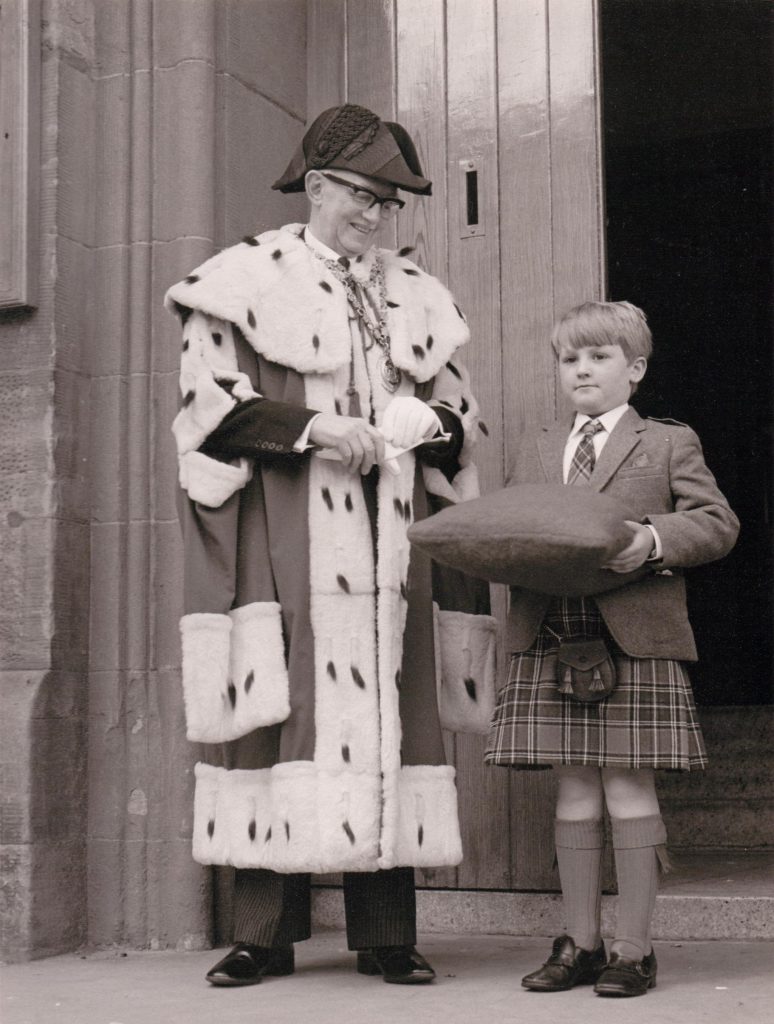
The last Provost of Cupar, Andrew Scott became a Freeman in April1973, recognising his long tenure in office. The donation of a group of photographs of Andrew Scott’s Freedom Ceremony inspired the idea for this exhibition.
Recently, the museum was fortunate to receive the original Freedom Scroll and a portrait of Provost Scott in his ceremonial robes from a family member.
Cupar Town Council which awarded these honours was abolished in 1975 under the Local Government (Scotland) Act 1973, after which the burgh became part of a larger local government area.
Story of Cupar
The semi-permanent Story of Cupar display remains largely unaltered although there are a few additions relating to church and school.