Exhibitions
These are some of the exhibition topics that our volunteers have created over the past 13 years.
The 250th Anniversary of Cupar Curling Club
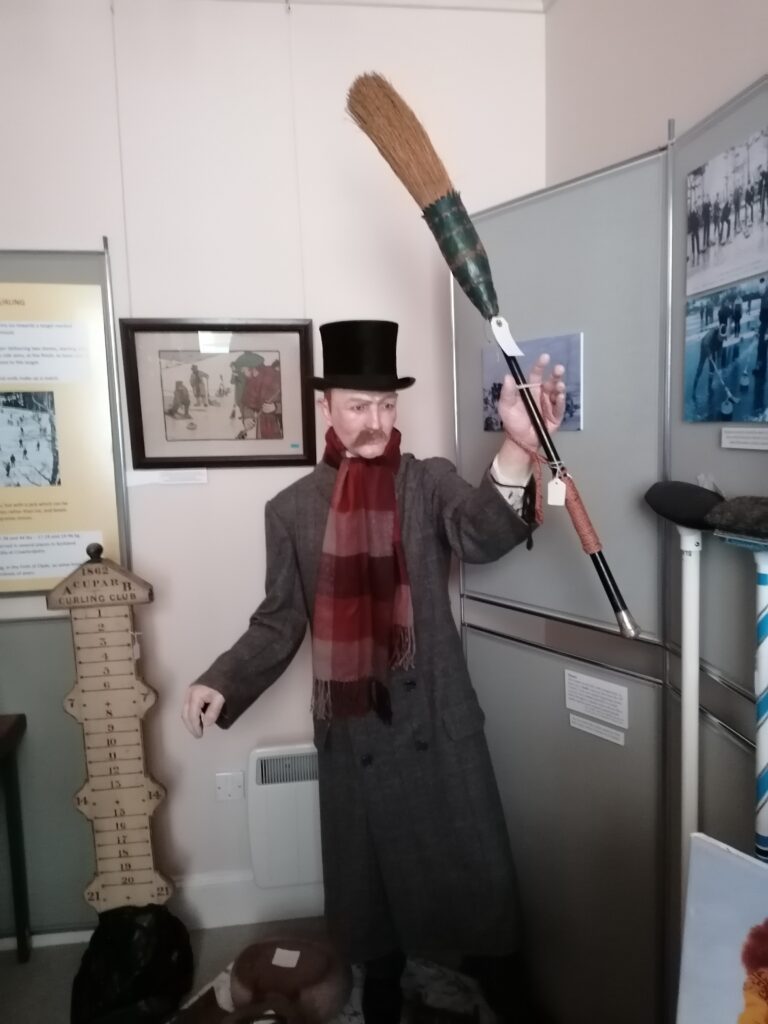
Celebrating its 250th anniversary in 2025 Cupar Curling Club is the tenth oldest club in Scotland. Evidently therefore curling is an ancient game played when the ground was too hard to dig and water frozen solid. It vies with golf as the country’s oldest sport. For this display the museum has sourced a number of pictures, trophies and other items from Cupar Curling Club, and set up a full-sized model of a Victorian curler in action. Cupar Heritage is also grateful to the Scottish Curling Trust for the loan of artefacts, notably an ancient ‘loofie’ stone, some brooms and an engraving of a painting of the Grand Match played on Linlithgow Loch in 1848. The picture is doubly important because it was the work of by Cupar-born artist Charles Lees.
Charles Lees
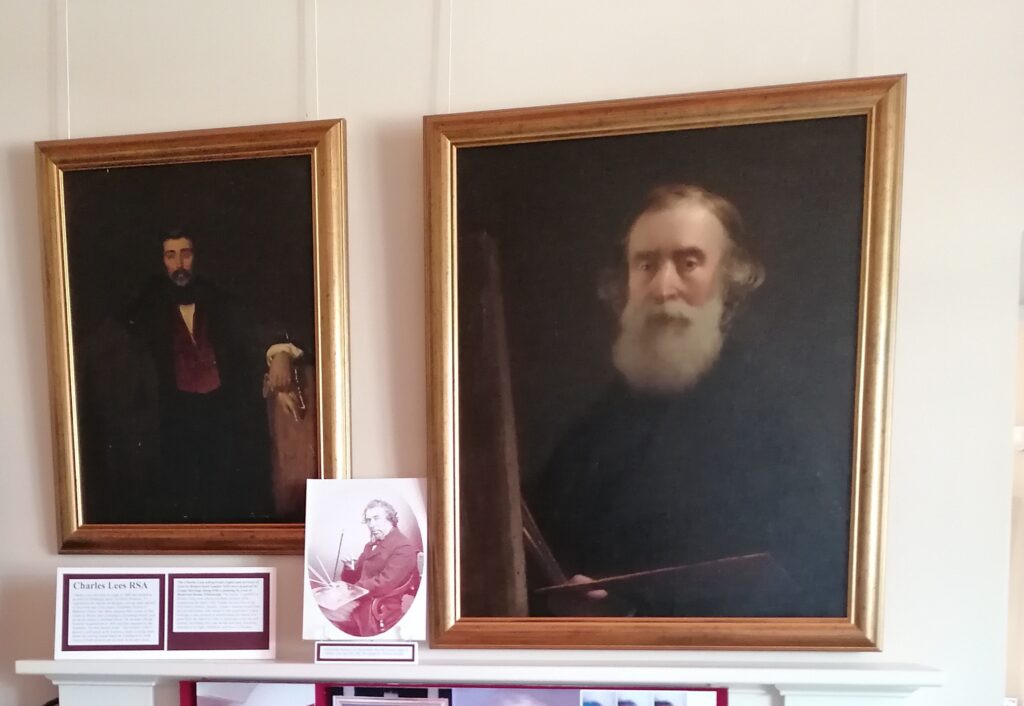
The artist Charles Lees is featured in pictures based around a self-portrait of the artist that Cupar Heritage acquired a few years ago. It is on special display this year because it has recently been restored thanks to a grant received from the Idlewild Trust. Situated alongside is a portrait of Lees as a young man by fellow artist Robert Scott Lauder. Displayed in addition to these pictures and the curling Grand Match, is a print of Lees’ most celebrated work, a golf match at St Andrews in 1847 and a painting of Baberton House near Edinburgh. This was the family home of Elizabeth Christie who, to dismay of her father, eloped with Lees. This group of pictures could be the largest display of work by Charles Lees ever assembled.
Arts and Artists
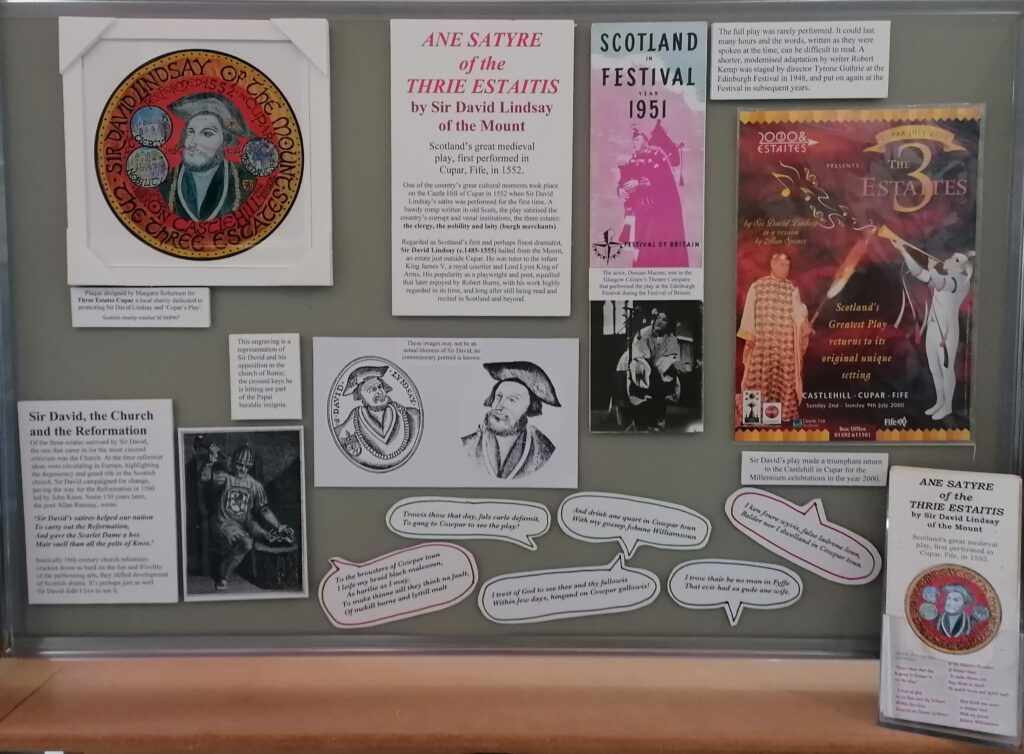
Complementing Charles Lees is a display of artists from the area. These include Sir David Lindsay of the Mount whose play Ane Satire of the Thrie Estaitis, performed for the first time in Cupar in 1552, is regarded as a tour-de-force of medieval theatre. Another great visual artist was Sir David Wilkie from Cults. In music Rab Noakes was a leading exponent of folk/rock and the children’s entertainers The Singing Kettle were very popular. Leslie Starke drew cartoons for satirical magazines like Punch, but a couple of drawings also show his promise as teenager. A different kind of visual artist was postman/photographer, George Normand. Henrietta Keddie wrote many novels under the pen name of Sarah Tytler and Robert Duncan Milne was a pioneer of science fiction writing. It’s a remarkable assemblage of artistic talent.
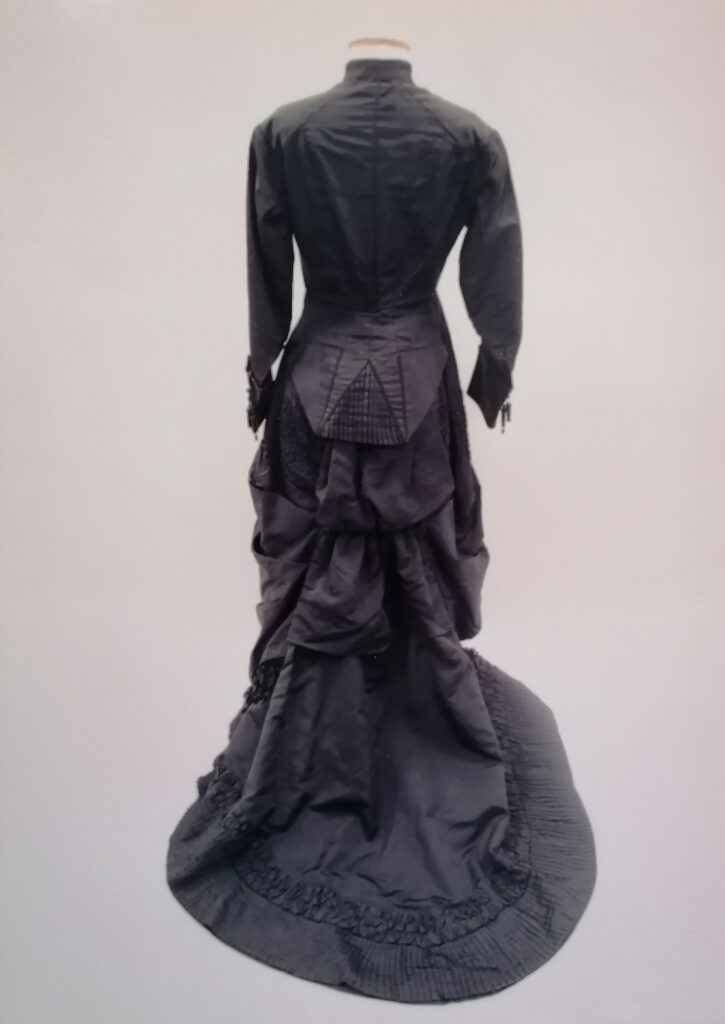
A dress Made in Cupar
The Te Manawa Museum in New Zealand has in their collection an elegant mourning dress made in Cupar about the 1870s. They wanted to know more about it, so contacted Cupar Heritage. Our volunteers got to work and pieced together the story of the dressmaker, the family who owned the dress, their connections to New Zealand and the subsequent owners of the dress who donated it to the Te Manawa Mueum. The story of the dress, along with pictures and dressmaking tools, form a special display of one of those subjects that museums rarely show.
Toll Schedule from Struthers Toll
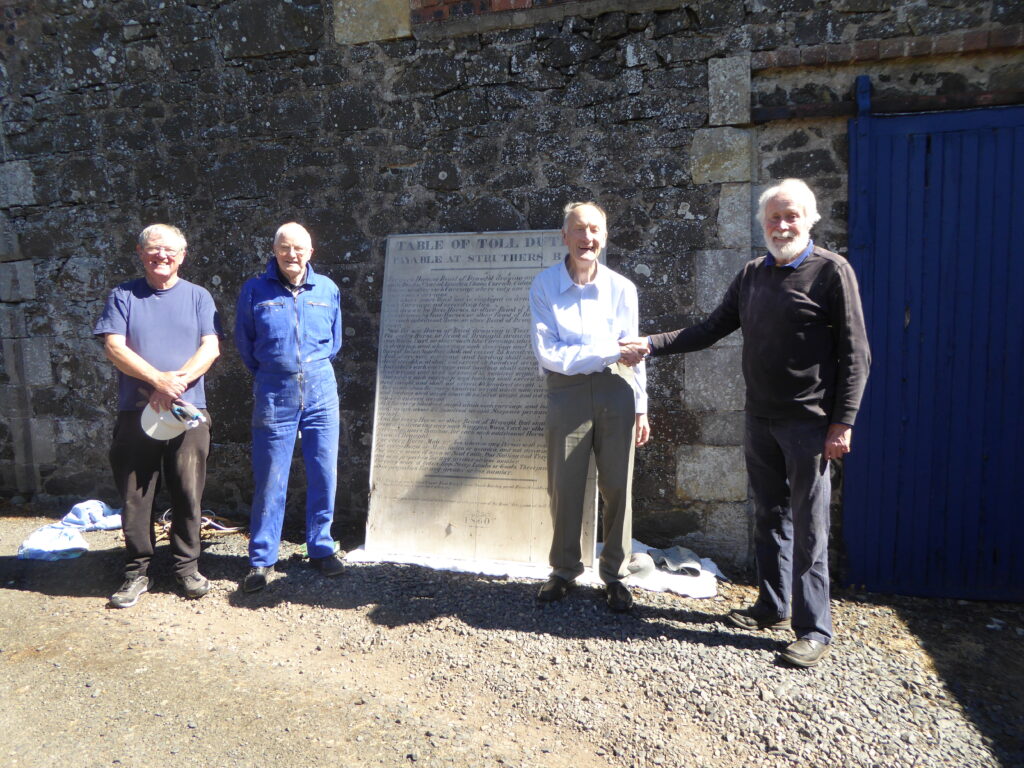
Cupar Museum acquired the original Toll Schedule from Struthers Farm where it had been stored on a garage wall since 1913. It would have been displayed originally on the Struthers Toll-House which stood at a point on the A916 and its junction with the old road to Ceres and St Andrews. The board was erected in 1860.
Our picture shows our volunteers in process of moving the Toll Schedule to the Museum.
The Listeners
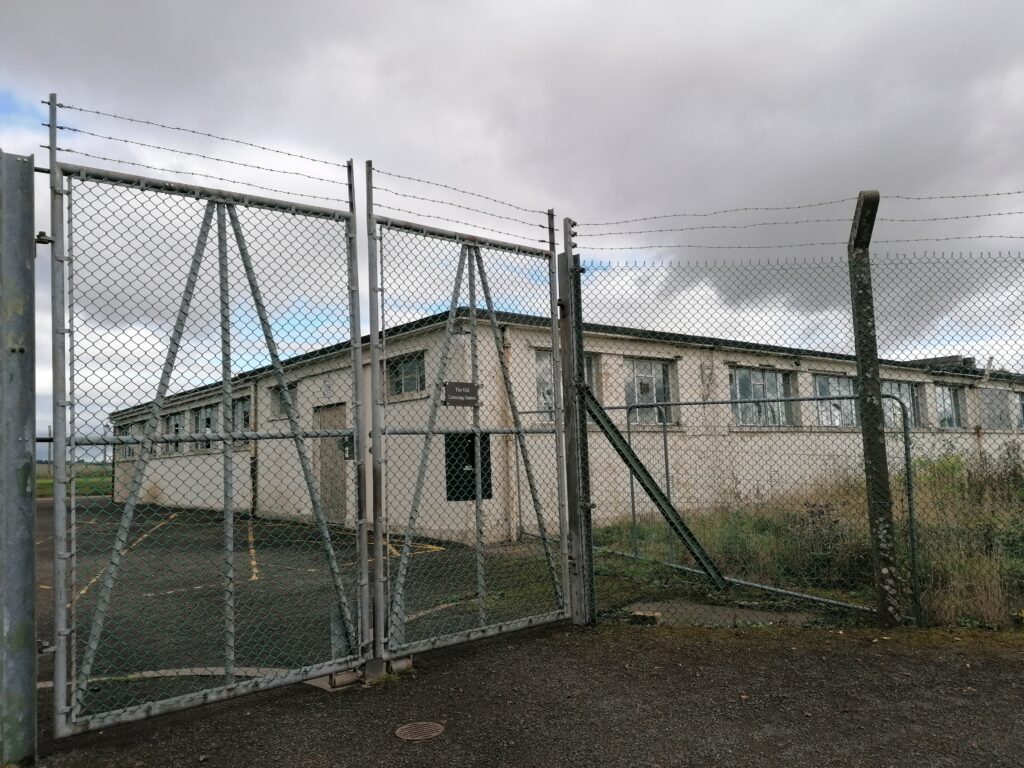
This exhibit explores the pioneering work that took place during the early days of transatlantic radio telephone communication between Britain and the United States. Sites were established at Kemback and later at Cairngreen for reception of calls, which were then transferred by G.P.O. landline to the main trunk system. A further development in the early stages of the Second World War saw the establishment of a Y Intercept Station at Hawklaw, on a hill to the north of Cupar. Hawklaw proved its worth by intercepting diplomatic and military traffic of value to the war effort, with strong links to Bletchley Park decoding centre. Post-war, Hawklaw continued to intercept intelligence material for G.C.H.Q. until 1988 when it became redundant due to satellite technology.
A history of food and drink in Cupar and District
Food and drink is the mouth-watering theme for Cupar Museum’s 2024 Exhibition. Our displays chart the story of food and drink with particular emphasis on our local area, celebrate our distinctive local produce and look at what was grown, how it was processed, distributed, consumed, and enjoyed.
Visitors can discover our evolving food and drink story from the dawn of history to the present day and learn about Cupar’s iconic eating places and pubs.
We also want to learn from visitors about their own recollections in the decades after the Second World War, how they experienced new tastes when new flavours were introduced from beyond the United Kingdom.
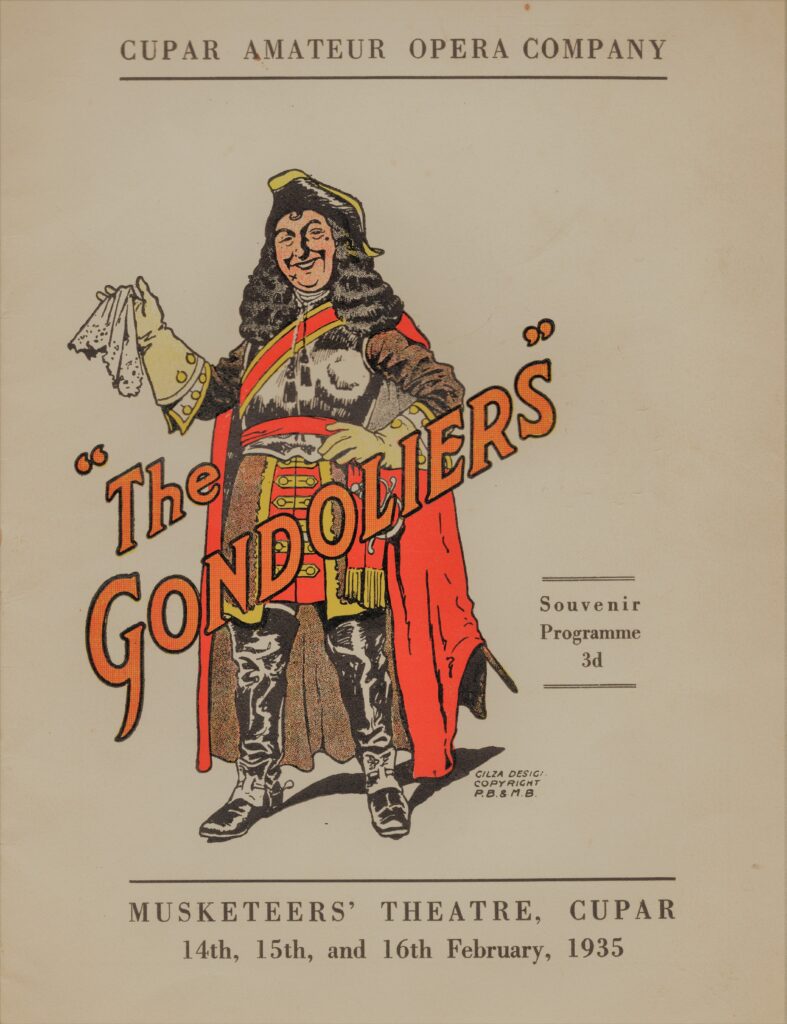
John Syme’s Scrapbook
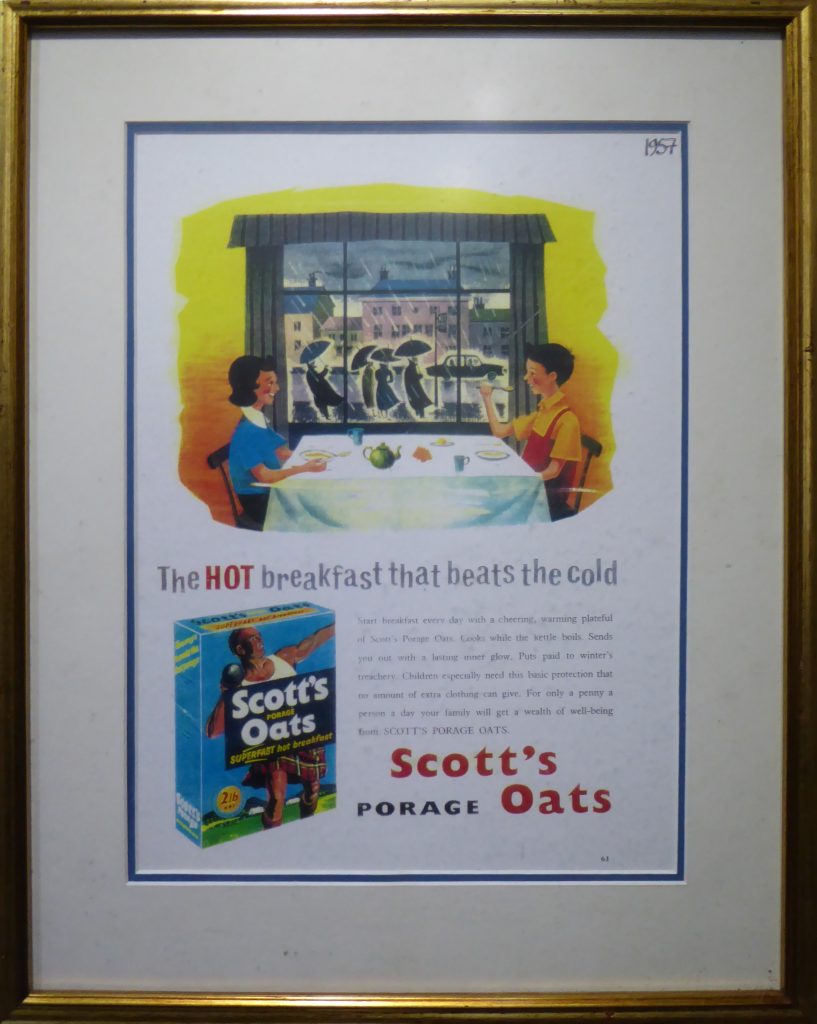
John Syme’s Scrapbook: echoes of my years with Cupar Amateur Opera Company, 1923 to 1964.
John Syme was a member of Cupar Amateur Opera Company for 33 years. He took many principal parts in annual productions of Gilbert and Sullivan Operas. During his time as a member, he compiled a scrapbook including many programmes. The scrapbook was donated to Cupar Museum by his daughter, Mrs Caroline Lord. We are fortunate to have this record in our collection and to be able to share it with our visitors.
House Histories
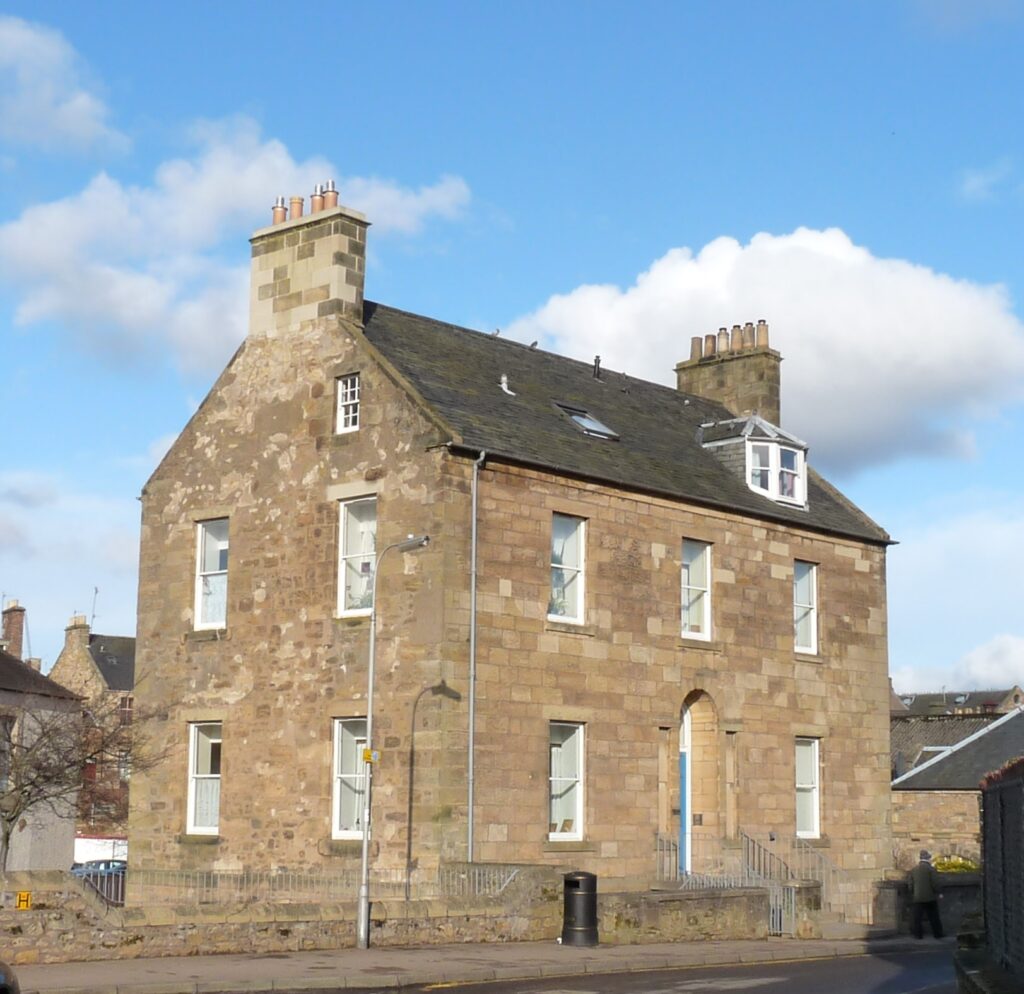
One of the properties that will feature in our new exhibition on the history of houses and mansions in and around Cupar is Winthank House in Kirk Wynd, pictured here. Although well known as “the doctor’s house”, we explore the story of who was the original owner and who subsequently lived there before the doctors?
Visitors to the Museum will be able to view the history of other houses in the exhibition and we will be delighted to hear from anyone who has a connection or photograph of any of the properties featured.
If you think that your house has an interesting history, Cupar Heritage may be able to unravel the secrets of your home.
Royal Highland Show
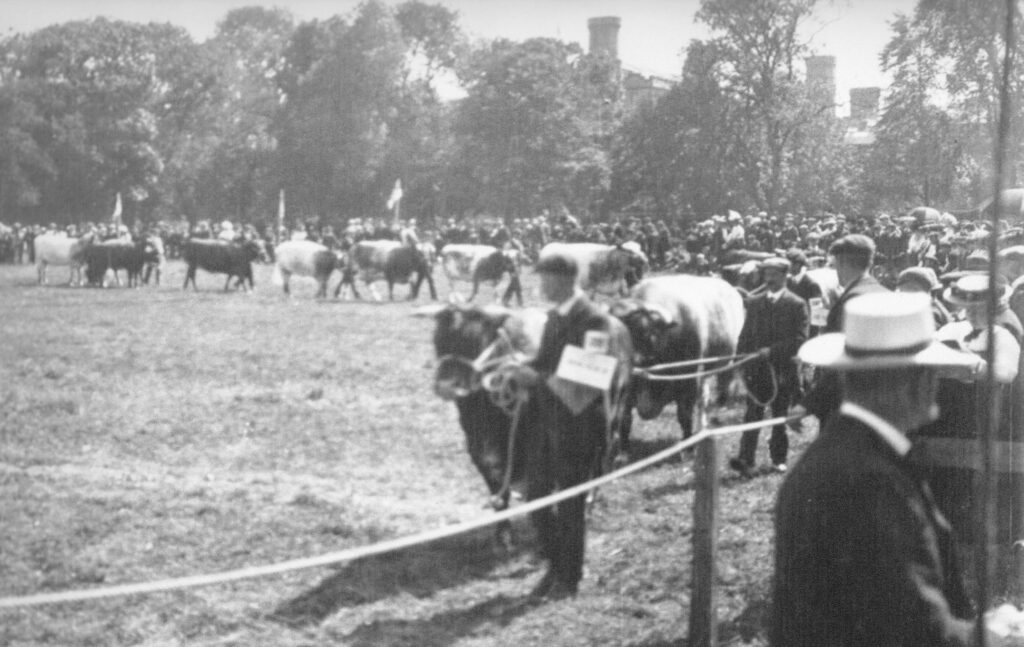
Before it settled at a permanent site, the Royal Highland Show moved around the country, but only came to Fife once, to Cupar in 1912. The centenary of this event was the subject of our first major exhibition.
Notable Cuparians
One of our earliest displays featured people who have made their mark in various ways including James Wilson of Carskerdo, a signatory to the American Declaration of Independence and Vincenzo Lunardi whose pioneering balloon flight ended in a field just outside the town.
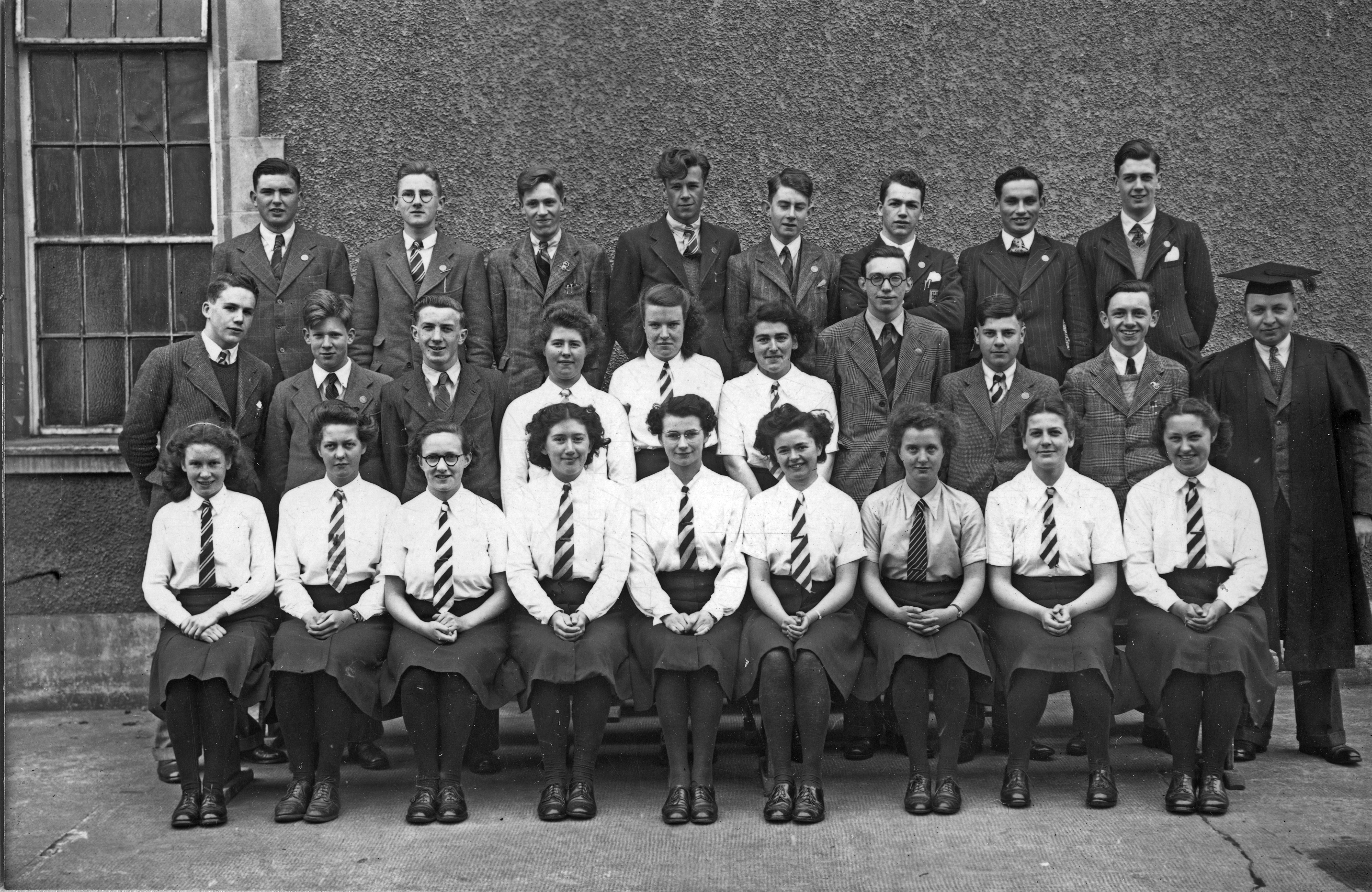
Bell Baxter School
Schools were always at the heart of the community, with a number coming together to form Bell Baxter, one of the most respected local institutions. We marked its 125th anniversary with a special display.
World War 1
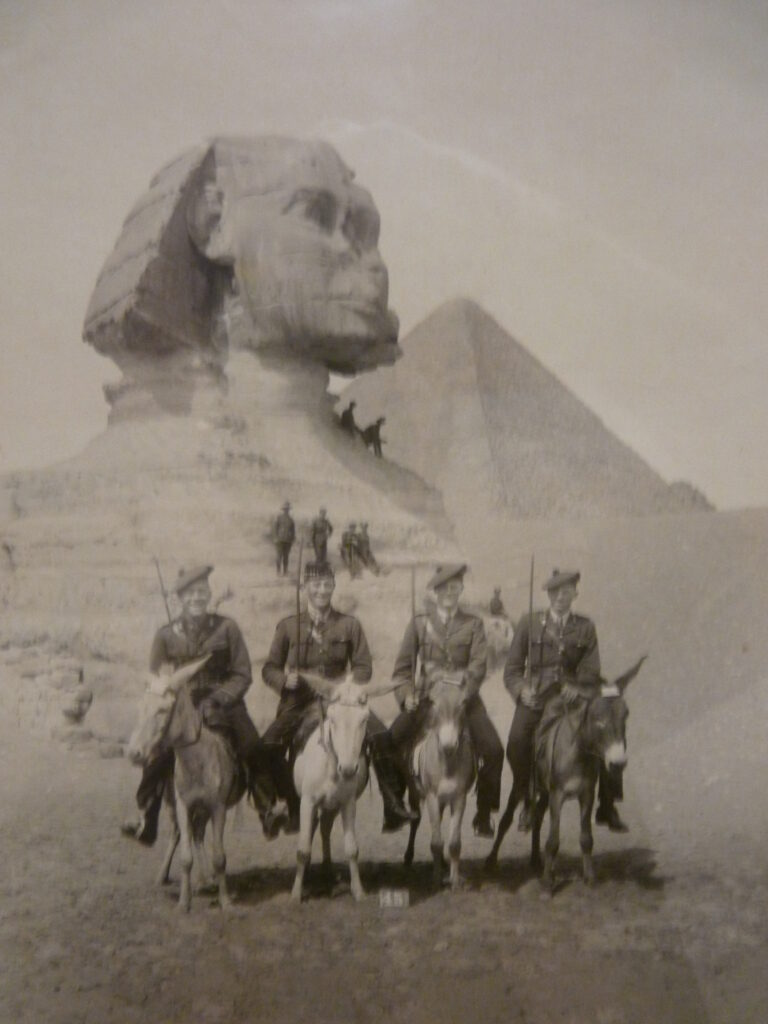
We mounted a major exhibition in 2014 to show how the war affected Cupar on the home front and the battlefronts of France, Gallipoli and the little known East African conflict. The display also incorporated artefacts borrowed from the museum in Saint Menehould, Cupar’s twin town in France. A modified version of the exhibition was retained for the following year and remounted in 2018 along with display panels borrowed from the Royal Highland & Agricultural Society of Scotland that explored the theme of Work and War Horses.
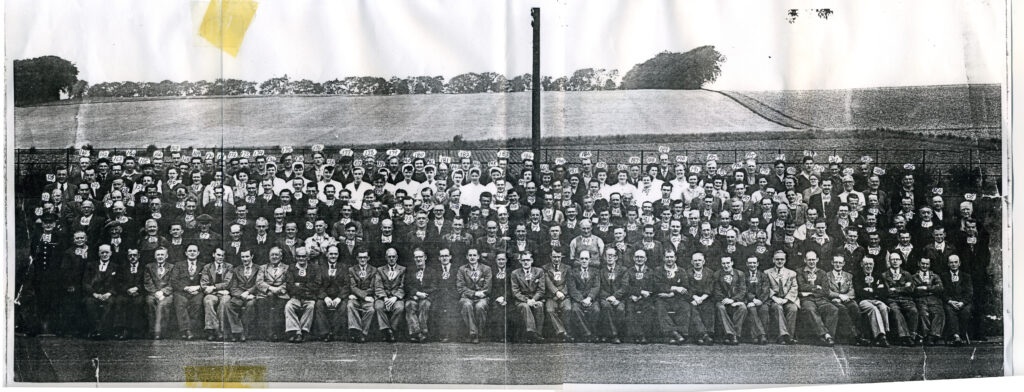
Sugar Beet Factory
A number of beet sugar factories were built in Britain in response to acute shortages during the First World War, one was at Cupar. It became a major local industry with farmers also involved growing the beets. The annual ‘campaign’ when the harvest was delivered was a big event.
Sport
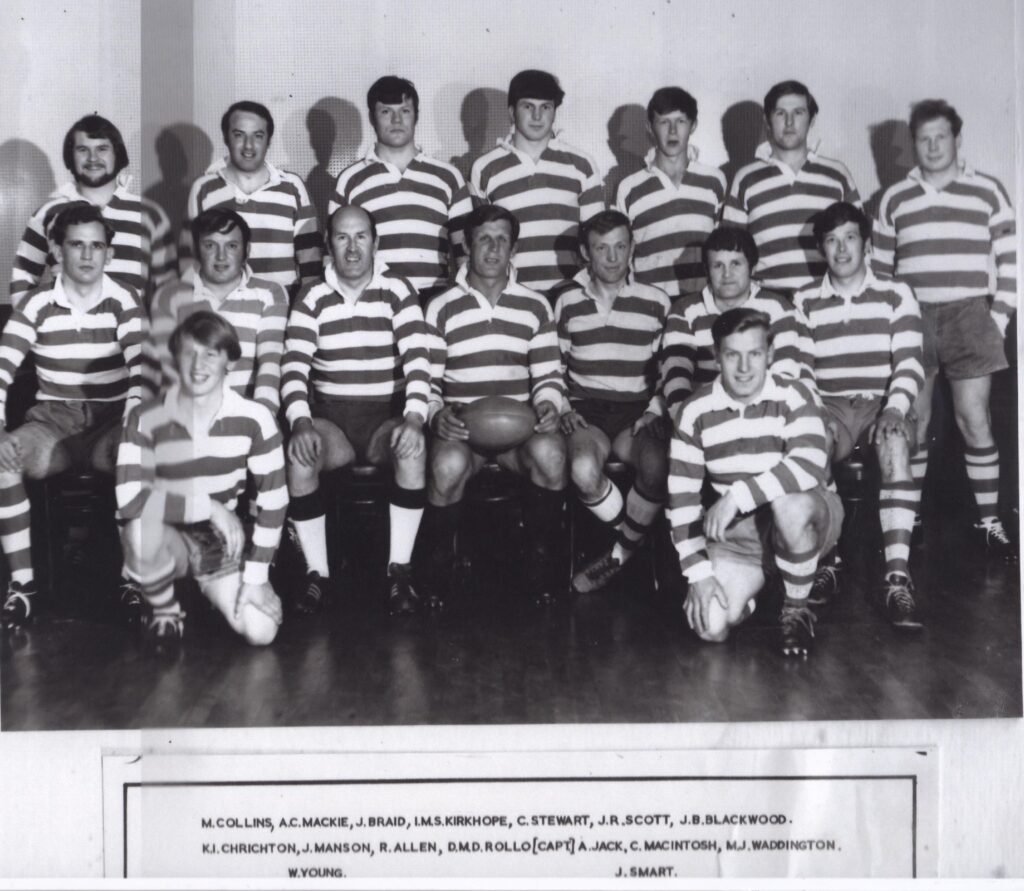
Many sporting endeavours including football, rugby, cricket, hockey, golf and motor sport featured in this exhibition in 2017.
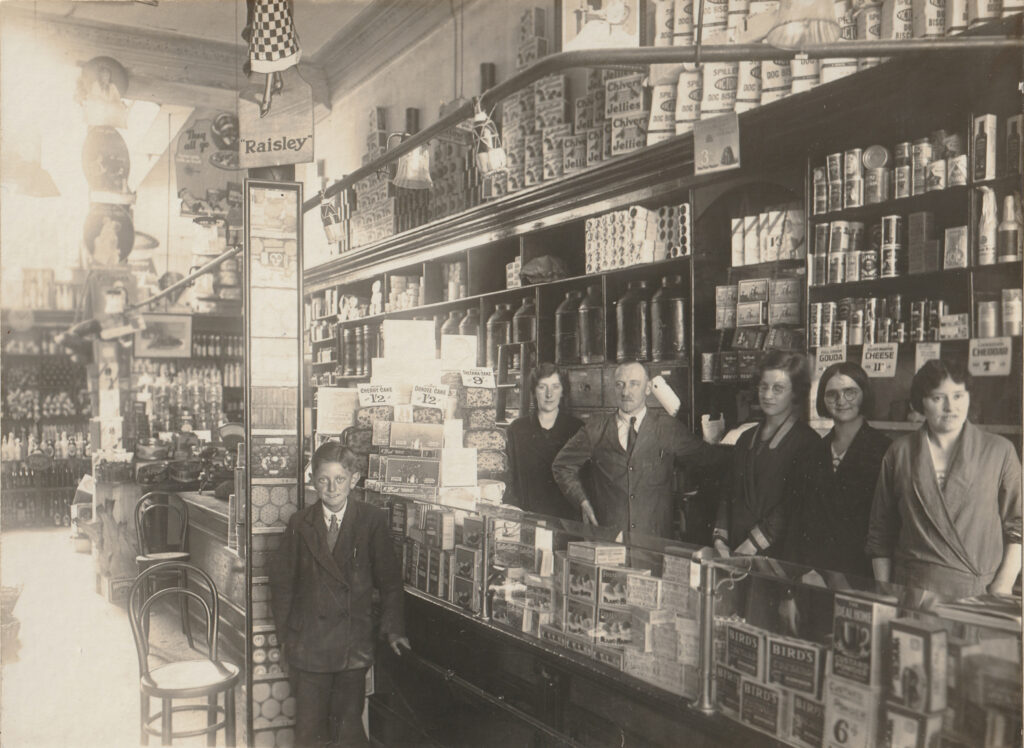
Shops
Our big display in 2019 was based on a survey of Cupar shops prepared by Dr Lindsay Lennie. Featuring all of the principal retailers in the town, the topic proved of great interest to local people.
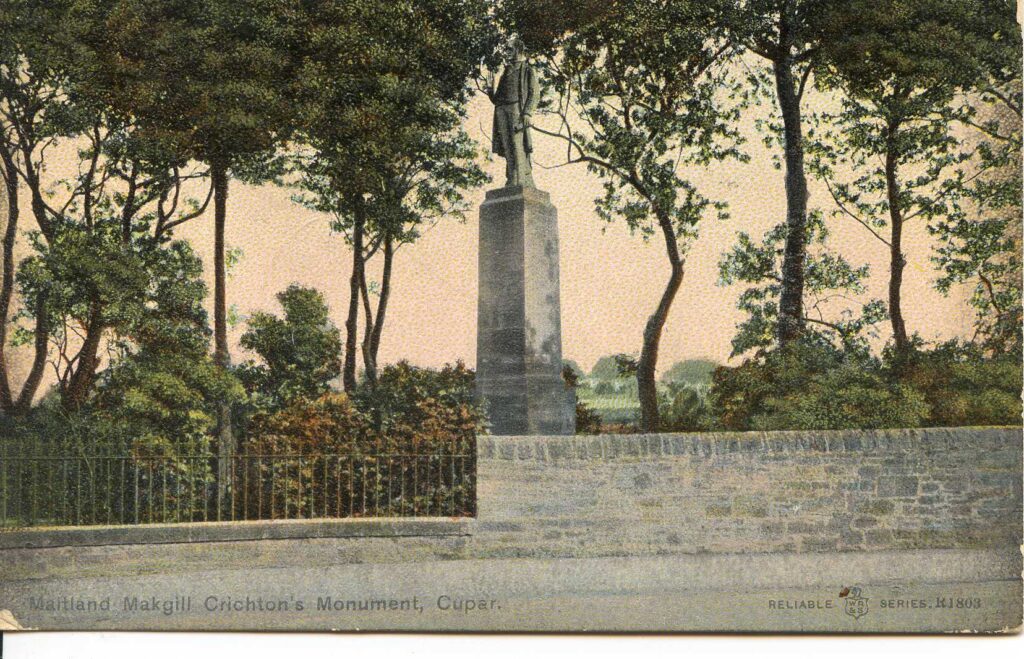
David Maitland Makgill Crichton
One of our ‘Notable Cuparians’, he also featured in a display when his statue beside the railway bridge was renovated. It was originally erected to recognise his success in persuading the railway company to install a bridge instead of a level crossing.
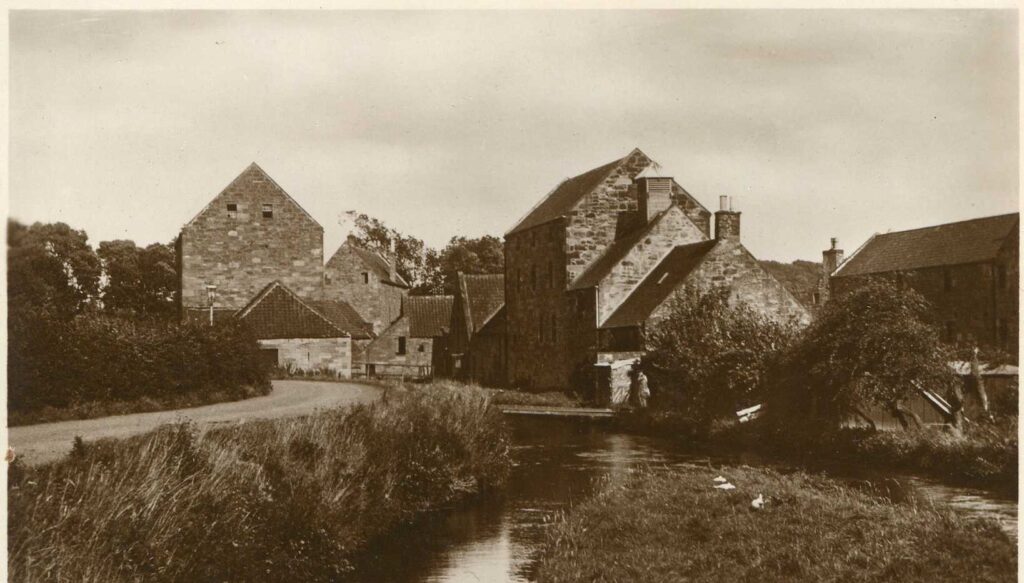
Mills on the River Eden
Our display highlighted the mills that, for many years, either extracted water from the River Eden or used it as a source of power.
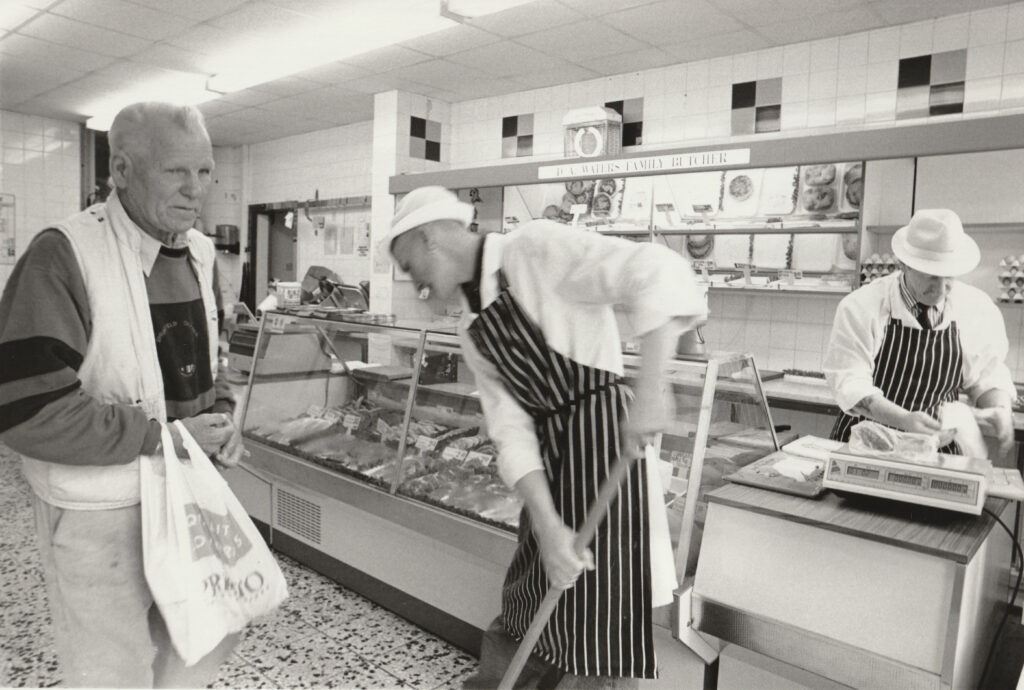
Aase Goldsmith
We exhibited a selection of pictures from our large collection of photographs taken by Aase in the late 1990s as part of a commission.
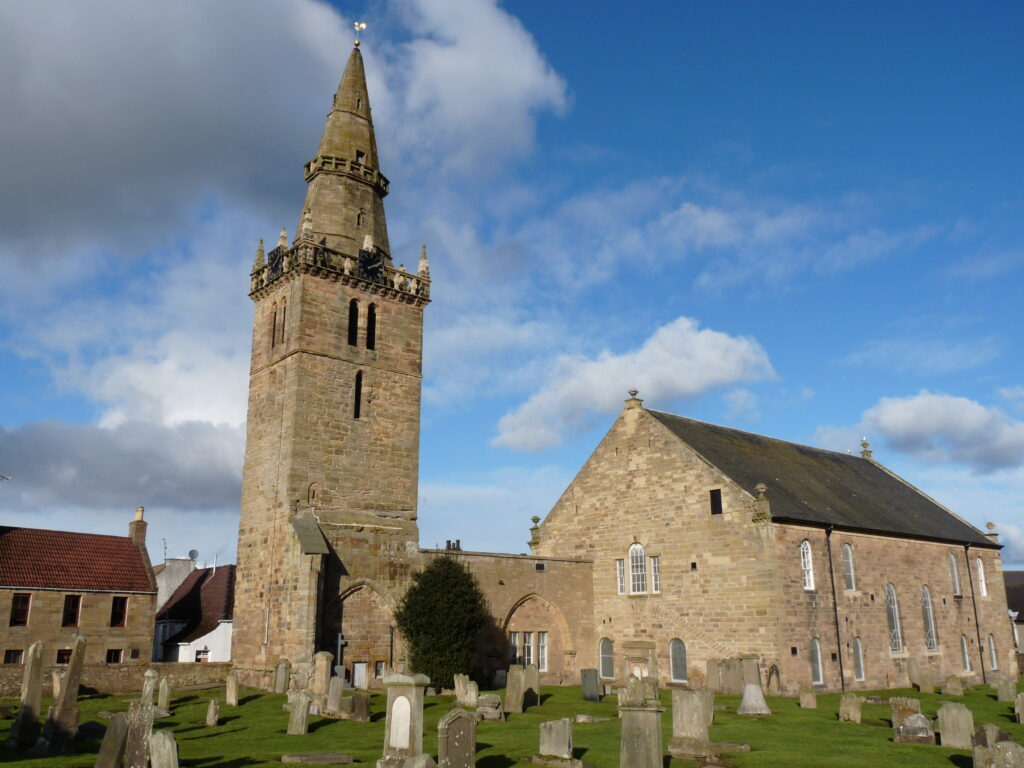
Cupar Parish Church
The original Parish Church was erected in 1415 and we marked its 600th anniversary with a small display. Thankfully, when the main body of the church was rebuilt in 1785, the tower, the oldest building in Cupar, was left intact.
RAF Leuchars
Our collection of photographs of RAF Leuchars was showcased in 2015.